In today’s dynamic economic environment, mastering real estate investment strategies can unlock substantial wealth-building opportunities. Notably, Pakistan’s property market offers a diverse array of options, from high-rise apartments in Islamabad to sprawling rural plots in Punjab. By understanding proven property investment techniques and aligning them with local market trends, investors can create a balanced and resilient portfolio.
Market Overview: Trends and Drivers
In 2025 Pakistan’s real estate landscape is currently shaped by several key forces. Firstly, the State Bank of Pakistan’s decision to cut the policy rate to 12% has reduced borrowing costs, boosting demand for residential and commercial projects (thenews.com.pk). Secondly, rapid urbanization in major cities such as Karachi, Lahore, and Islamabad has fueled a surge in mixed-use developments and serviced apartments (bloompakistan.com). Meanwhile, fluctuations in plot values underscore the importance of investment risk management when speculating on undeveloped land.
Rental Income and Cash-Flow Properties
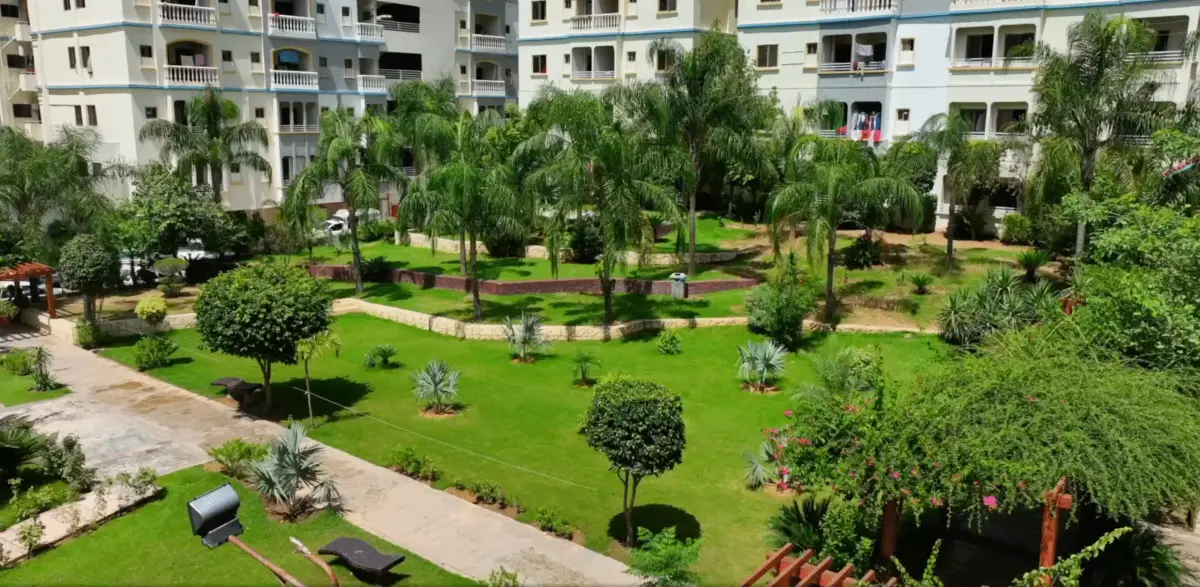
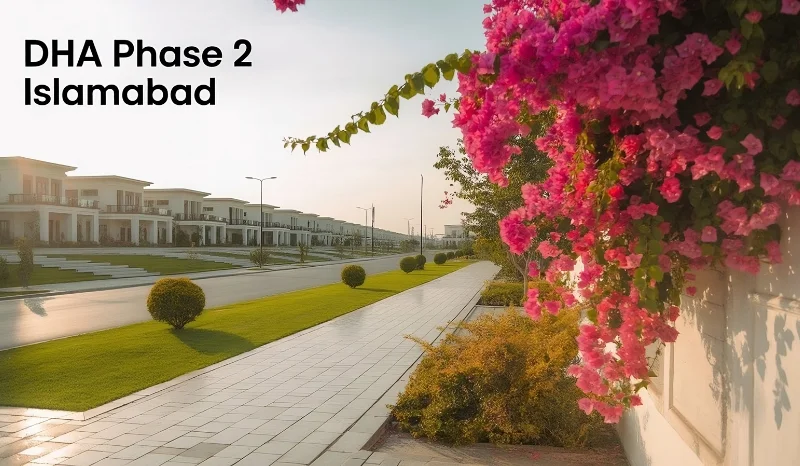
Undoubtedly, generating consistent rental income remains one of the most reliable real estate investment strategies. By focusing on cash-flow properties, such as high-rise apartments in DHA Phase II or hotel-serviced flats, investors can secure monthly returns and hedge against market volatility (imlaak.com). Furthermore, incorporating real estate portfolio diversification across residential, retail, and hospitality segments helps stabilize overall returns and spreads risk.
Land Banking and Value Appreciation
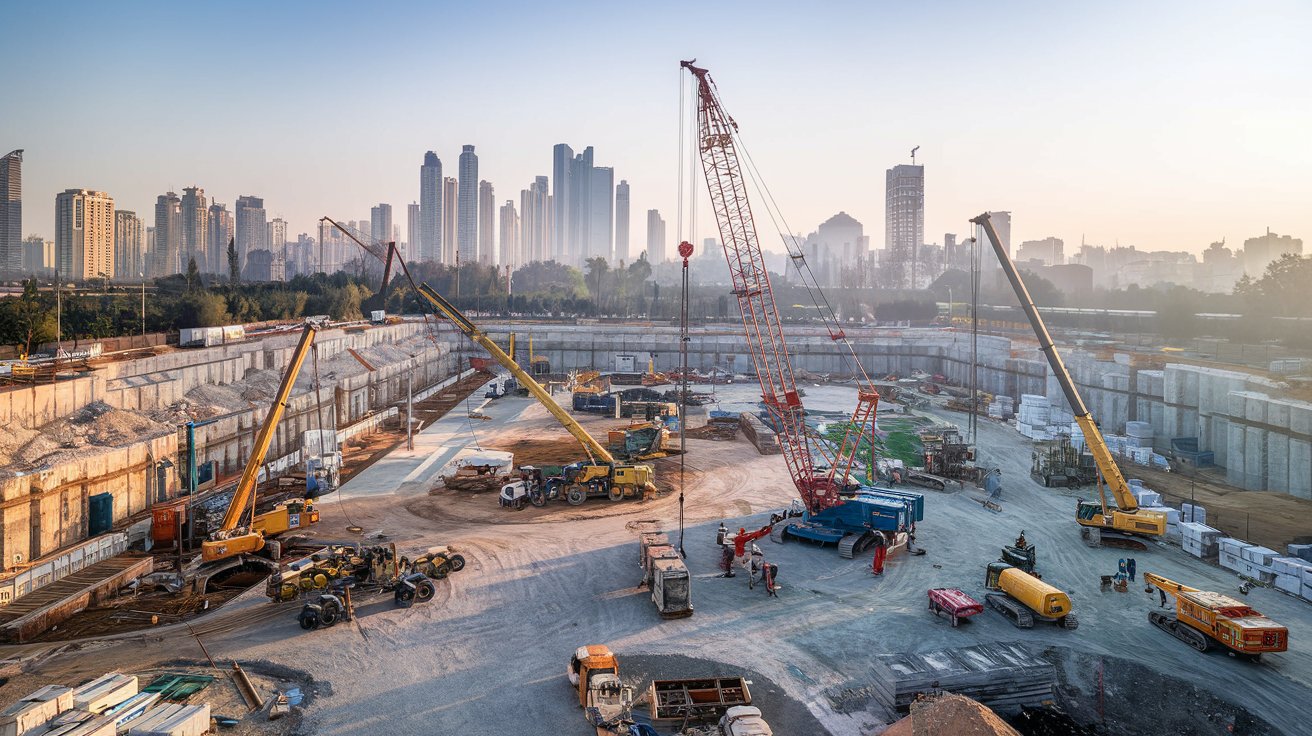
Conversely, land banking, holding undeveloped rural or peri-urban plots, can yield outsized capital gains over time. Strategic purchases along upcoming infrastructure corridors or near planned urban extensions in Punjab often appreciate rapidly as projects near completion. According to The News, the Rawalpindi Ring Road project has generated over Rs130 billion in property deals since inception, with land values expected to multiply as construction advances (thenews.com.pk). However, this rural land investment Pakistan-focused approach requires patience and thorough due diligence, especially regarding title verification and local zoning regulations.
Commercial and Mixed-Use Developments
Moreover, commercial real estate, ranging from office spaces in Giga Business Complex to retail outlets in Goldcrest Commercial, offers attractive lease yields. Mixed-use developments that blend residential, retail, and office components tend to outperform single-purpose assets, thanks to diversified tenant profiles and steady footfall. In addition, emerging segments such as healthcare real estate (clinics, diagnostic centers) present niche opportunities driven by rising medical tourism and urban population densification.
Harnessing Government Policies and Incentives
Importantly, a sound grasp of government real estate policy in Pakistan can significantly enhance investor returns. The Federal Budget 2025–26 proposes reduced withholding tax on property transactions and the abolition of Federal Excise Duty on transfers, lowering transaction costs and stimulating formal market activity (mohsinestate.com).
Additionally, the Federal Board of Revenue has recommended tax relief incentives for first-time buyers, further encouraging new entrants into the market (brecorder.com).
Risk Management and Portfolio Diversification
Ultimately, effective investment risk management underpins long-term success. By blending high-yield rental assets, strategic land holdings, and commercially zoned properties, investors can mitigate sector-specific downturns. Consequently, regular portfolio reviews, aligned with economic indicators, urban development plans, and interest-rate forecasts, ensure that real estate investment strategies remain adaptive and resilient.
Conclusion
By integrating rental income models, land banking, and mixed-use commercial ventures within the framework of Pakistan’s evolving policy landscape, you can deploy real estate investment strategies that deliver consistent returns and capital appreciation. Therefore, embrace diversification, leverage government incentives, and stay informed about regulatory shifts to maximize your success in Pakistan’s vibrant property market.